
GPT 5.1 Codex Max vs Opus 4.5: Why Model Choice Beats Better Prompts

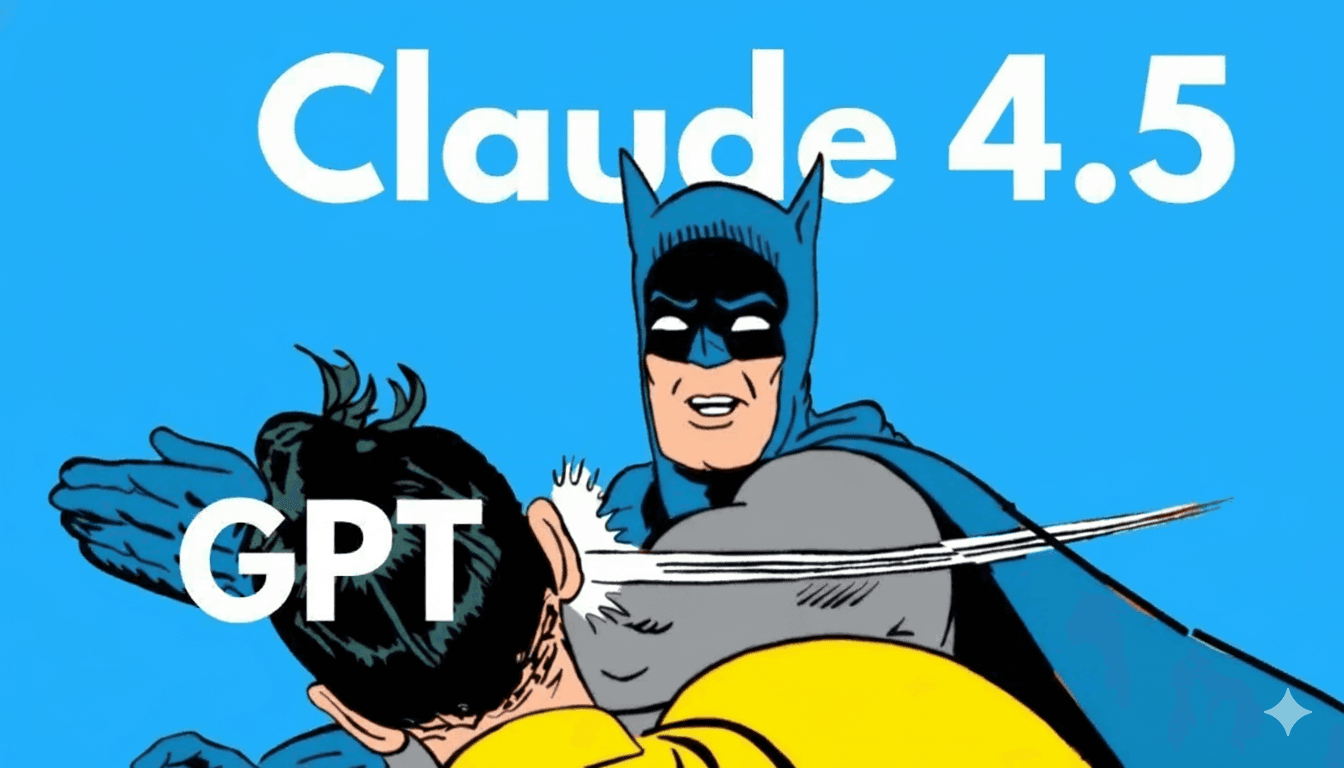
A developer on Reddit spent two hours with GPT 5.1 Codex trying to fix a bug. Each fix made things worse. Clear instructions. Detailed plan. Nothing worked. He switched back to the older version and everything clicked. This happened three weeks after OpenAI launched what they called their best coding model yet.
Around the same time, another engineer tested all three top models on the exact same production problem. Statistical anomaly detection. The kind of code that breaks at 3 AM. GPT 5.1 Codex finished in six minutes and deployed clean. Opus 4.5 took twelve minutes, wrote three thousand lines, and crashed on real data. Gemini came in fastest but needed manual hardening.
The model actually matters more than your prompt
Most people think better prompts solve everything. Write clearer instructions. Add examples. Structure your system message. But watch what happens when you give identical prompts to different models.
The composio engineer tried this. Same codebase. Same requirements. Same IDE setup. The outputs were wildly different.
Opus generated elaborate architecture. Advisory locks. Configuration structures. Test coverage. Comments everywhere. It looked like a whitepaper. Then it hit production and the calculateSpikeRatio() function produced values like 1e12 and crashed. The state restoration logic didn't recompute means or variance. Silent corruption.
GPT 5.1 wrote 577 lines instead of 2,981. Single-pass O(1) updates. EWMA for stability. Hard defenses against NaN and Infinity. Boring code. But it ran first try.
Zero critical bugs across both tests.
Gemini finished fastest at under six minutes and cost fourteen cents. Stream-optimized. O(1) memory. Clean epsilon guarding to prevent division errors. But some edge cases needed manual checks.
What developers are actually saying
The Reddit complaints started immediately after launch. One user said GPT 5.1 Codex Max was "excessively aggressive" and didn't dig into bugs properly. He reverted within a day.
Another complained it was "extremely sluggish" and ignored instructions. Deleted lines that shouldn't be removed. Inserted duplicates. This happened even with a proper AGENTS.md file.
But YouTube creator Alex Finn had the opposite experience with Opus 4.5. He asked it to build a complete 3D first-person shooter from scratch. Previous models made task lists and worked through them. Opus generated the full plan and executed everything in one attempt. He said it identified the right tools and frameworks with "100%" accuracy.
GitHub's Chief Product Officer tested Opus too. Said it surpassed internal benchmarks while cutting token usage in half. Called it especially good for code migration and refactoring.
The cost nobody talks about
Opus charges $25 per million output tokens. GPT 5.1 charges $10. Gemini charges $12.
Sounds close. But Opus generated far more code. Longer reasoning chains. Large comment blocks that never shipped. Across two tests it cost $1.76. GPT 5.1 cost 51 cents. Gemini cost 25 cents.
That's 71% cheaper for GPT. 86% cheaper for Gemini.
And GPT's code actually deployed. Opus needed another engineering pass to fix runtime crashes and edge cases.
Why people keep switching models
Here's something weird. Nobody sticks with one model.
One Reddit user said they switched between Claude and o3mini based on the task. Claude for reliability. O3mini for complex scenarios. Another used Gemini 2.0 for code organization and Sonnet 3.5 for UI work.
The composio engineer figured out why. Each model has a personality.
Opus thinks like a platform architect. It designs systems. Writes technical docs. Plans frameworks. But you have to wire things manually and trim complexity.
GPT thinks like a service engineer. Minimal rewrites. Handles crashes and skew. Fits into existing codebases. Not beautiful but deployable.
Gemini thinks lean. Fast prototyping. Low cost. Straightforward solutions. Just audit boundary conditions yourself.
My friend who self-hosts everything
There's this guy i know who refuses to use cloud services. Runs his own email server. Self-hosts his git repos. Has a homelab with more computing power than some startups.
He tried all three models last month. Hated them all.
Said they were solving the wrong problem. That developers should understand their code deeply instead of asking machines to write it. That these models make you lazy.
But then his server went down at 2 AM and he used GPT to debug a postgresql deadlock. Fixed it in ten minutes.
He still won't admit the models are useful. But i saw his browser history.
What this actually means for you
Most people don't need Opus. It costs too much and generates code that needs cleanup.
If you're building something from scratch and speed matters, use Gemini. If you need code that works in production without babysitting, use GPT 5.1. If you're doing architecture reviews or planning complex systems, maybe Opus.
But here's the honest part. All three will frustrate you sometimes. They'll ignore instructions. Delete the wrong lines. Generate code that looks right but breaks.
System prompts help. Good examples help. But the model choice matters more than people admit. A perfect prompt on the wrong model still produces garbage.
The real question
The composio engineer spent hours testing these models on real production problems. He picked GPT 5.1 as the practical winner.
But that was for his codebase. His problems. His tolerance for debugging.
You might hate it. You might find Opus perfect despite the cost. You might discover Gemini handles your specific use case better than both.
The benchmarks don't tell you this. SWE-bench scores don't matter when your model refuses to finish a refactoring task. Cost per token doesn't matter if you spend three hours fixing its output.
Try them all. See which one breaks less often for your work. That's the only metric that counts.
Enjoyed this article? Check out more posts.
View All Posts